
Mourner’s Kaddish
Mourner's Kaddish
Kadish.org.il
Mourner’s Kaddish – based on the Jewish law, the Kaddish prayer is said for the sake of the deceased’s soul
See the “Kaddish for the Soul” website, to learn the laws of saying Kaddish in greater detail.
as well as the Kaddish prayer in the Asheknazi and Sefardi traditions.
And, you’ll find comprehensive info regarding the customs of mourning from the time of the passing until the end of the first year
Are you in your year of mourning?
Read about the Kaddish service
Struggling to find a minyan 3 times a day for your deceased loved one?
We will say Kaddish at the morning, afternoon and evening prayers on behalf of your deceased loved one, and learn Mishna for the benefit of their soul
תוכן עניינים
Mourner’s Kaddish Transliteration – Ashkenazi / chabad
yitgadal v’yitkadash sh’mei raba
(Congregation: Amen)
b’alma div’ra chiru’tei, v’yamlich malchutei, v’yistmach pourkanei, v’ykarev meshichei
(Congregation: Amen)
b’chayeichon uvyomeichon uv’chayei d’chol beit yisrael, ba’agala uvizman kariv, v’imru amen.
(Congregation: Amen. y’hei shmei rabba mevorach l’alam u-l’almei almaya. Yitbarach)
Y’hei shmei raba mevorach l’alam u-l’almei almaya. Yitbarach v’yishtabach, v’yitpa’ar v’yitromam, v’yitnaseh, v’yithadar v’yit’aleh v’yit’halal shmei d’kudsha, b’rich hu.
(Congregation: Amen)
l’eila minkol-birchata v’shirata, tushb’chata v’nechemata da’amiran b’alma, v’im’ru amen.
(Congregation: Amen)
Y’hei shlama raba min-sh’maya v’chayim aleinu v’al-kol-yisrael, v’im’ru amen.
(Congregation: Amen)
Oseh shalom bimromav, hu ya’aseh shalom aleinu v’al kol-yisrael, v’imru amen.
(Congregation: Amen)
kaddish
prayer
- Translation
Eexalted and sanctified His great name
Throughout the world which He has created according to His will. May He establish His kingdom bring forth His redemption and hasten the coming of His Moshiach.
In your lifetime and during your days,and within the life of the entire House of Israel, speedily and soon;and say, Amen.
May His great name be blessed forever and to all eternity. Blessed and praised, glorified and exalted, extolled and honored, adored and lauded be the name of the Holy One.
Blessed be He, beyond all the blessings and hymns, praises and consolations that
are ever spoken in the world; and say, Amen.
May there be abundant peace from heaven, and life, for us and for all Israel; and say, Amen.
He Who makes peace (Between Rosh Hashana and Yom Kippur substitute: “the peace”) in His heavens, may He make peace for us and for all Israel; and say, Amen.
mourner's kaddish in Hebrew
יִתְגַּדַּל וְיִתְקַדַּשׁ שְׁמֵיהּ רַבָּא
(הקהל עונה אמן)
בְּעָלְמָא דִּי בְרָא, כִרְעוּתֵהּ. וְיַמְלִיךְ מַלְכוּתֵהּ, וְיַצְמַח פּוּרְקָנֵה, וִיקָרֵב מְשִׁיחֵהּ
(והקהל עונה אמן)
בְּחַיֵּיכוֹן וּבְיוֹמֵיכוֹן וּבְחַיֵּי דְכָל-בֵּית יִשְׂרָאֵל, בַּעֲגָלָא וּבִזְמַן קָרִיב, וְאִמְרוּ אָמֵן
(הקהל עונה אמן יְהֵא שְׁמֵיהּ רַבָּא מְבָרַךְ, לְעָלַם וּלְעָלְמֵי עָלְמַיָּא. יִתְבָּרַךְ)
יְהֵא שְׁמֵיהּ רַבָּא מְבָרַךְ, לְעָלַם וּלְעָלְמֵי עָלְמַיָּא. יִתְבָּרֵךְ, וְיִשְׁתַּבַּח, וְיִתְפָּאֵר, וְיִתְרוֹמָם, וְיִתְנַשֵּׂא, וְיִתְהַדָּר, וְיִתְעַלֶּה וְיִתְהַלָּל, שְׁמֵהּ דְּקוּדְשָׁא בְּרִיךְ הוּא
(עונים אמן)
לְעֵלָּא מִן-כָּל-בִּרְכָתָא וְשִׁירָתָא, תֻּשְׁבְּחָתָא וְנֶחֱמָתָא, דַּאֲמִירָן בְּעָלְמָא, וְאִמְרוּ אָמֵן
(האנשים עונים אמן)
יְהֵא שְׁלָמָא רַבָּא מִן שְׁמַיָּא וְחַיִּים טוֹבִים עָלֵינוּ וְעַל כָּל יִשְׂרָאֵל וְאִמְרוּ אָמֵן
(הקהל עונה אמן)
עֹשֶׂה שָׁלוֹם (בעשרת ימי תשובה: הַשָׁלוֹם) בִּמְרוֹמָיו הוּא יַעֲשֶׂה שָׁלוֹם עָלֵינוּ, וְעַל כָּל-יִשְׂרָאֵל וְאִמְרוּ אָמֵן
(הקהל עונה אמן)
Mourner’s Kaddish Transliteration – Sefaradi
yitgadal v’yitkadash sh’mei raba
(Congregation: Amen)
b’alma div’ra chiru’tei, v’yamlich malchutei, v’yistmach pourkanei, v’ykarev meshichei
(Congregation: Amen)
b’chayeichon uvyomeichon uv’chayei d’chol beit yisrael, ba’agala uvizman kariv, v’imru amen.
(Congregation: Amen. y’hei shmei rabba mevorach l’alam u-l’almei almaya. Yitbarach)
Y’hei shmei raba mevorach l’alam u-l’almei almaya. Yitbarach v’yishtabach, v’yitpa’ar v’yitromam, v’yitnaseh, v’yithadar v’yit’aleh v’yit’halal shmei d’kudsha, b’rich hu.
(Congregation: Amen)
l’eila minkol-birchata v’shirata, tushb’chata v’nechemata da’amiran b’alma, v’im’ru amen.
(Congregation: Amen)
Y’hei shlama raba min-sh’maya chayim v’sava v’yeshua v’nechama v’shizva u’refua u’geula u’slicha v’khapara v’revach v’hastala, lanu u’lchol aleinu amo yisrael, v’im’ru amen.
(Congregation: Amen)
Oseh shalom bimromav, hu ya’aseh shalom aleinu v’al kol-yisrael, v’imru amen.
(Congregation: Amen)
Mourner’s Kaddish – Sefaradi – English Translation
Exalted and sanctified His great name
Throughout the world which He has created according to His will. May He establish His kingdom bring forth His redemption and hasten the coming of His Moshiach.
In your lifetime and during your days, and within the life of the entire House of Israel, speedily and soon; and say, Amen.
May His great name be blessed forever and to all eternity. Blessed and praised, glorified and exalted, extolled and honored, adored and lauded be the name of the Holy One.
Blessed be He, beyond all the blessings and hymns, praises and consolations that
are ever spoken in the world; and say, Amen.
May there be abundant peace from heaven, and life, and satiation and rescue and healing and redemption and forgiveness and atonement for us and for all Israel; and say, Amen.
He Who makes peace in His heavens, may He make peace for us and for all Israel; and say, Amen.
mourner's kaddish in Hebrew –
Sefaradi
יִתְגַּדַּל וְיִתְקַדַּשׁ שְׁמֵיהּ רַבָּא
(הקהל עונה אמן)
בְּעָלְמָא דִּי בְרָא, כִרְעוּתֵהּ. וְיַמְלִיךְ מַלְכוּתֵהּ, וְיַצְמַח פּוּרְקָנֵה, וִיקָרֵב מְשִׁיחֵהּ
(והקהל עונה אמן)
בְּחַיֵּיכוֹן וּבְיוֹמֵיכוֹן וּבְחַיֵּי דְכָל-בֵּית יִשְׂרָאֵל, בַּעֲגָלָא וּבִזְמַן קָרִיב, וְאִמְרוּ אָמֵן
(הקהל עונה אמן יְהֵא שְׁמֵיהּ רַבָּא מְבָרַךְ, לְעָלַם וּלְעָלְמֵי עָלְמַיָּא. יִתְבָּרַךְ)
יְהֵא שְׁמֵיהּ רַבָּא מְבָרַךְ, לְעָלַם וּלְעָלְמֵי עָלְמַיָּא. יִתְבָּרֵךְ, וְיִשְׁתַּבַּח, וְיִתְפָּאֵר, וְיִתְרוֹמָם, וְיִתְנַשֵּׂא, וְיִתְהַדָּר, וְיִתְעַלֶּה וְיִתְהַלָּל, שְׁמֵהּ דְּקוּדְשָׁא בְּרִיךְ הוּא
(עונים אמן)
לְעֵלָּא מִן-כָּל-בִּרְכָתָא וְשִׁירָתָא, תֻּשְׁבְּחָתָא וְנֶחֱמָתָא, דַּאֲמִירָן בְּעָלְמָא, וְאִמְרוּ אָמֵן
(האנשים עונים אמן)
יְהֵא שְׁלָמָא רַבָּא מִן שְׁמַיָּא חַיִּים וְשָׂבָע וִישׁוּעָה וְנֶחָמָה וְשֵׁיזָבָא וּרְפוּאָה וּגְאֻלָּה וּסְלִיחָה וְכַפָּרָה וְרֶוַח וְהַצָּלָה, לָנוּ וּלְכָל-עַמּוֹ יִשְׂרָאֵל, וְאִמְרוּ אָמֵן
(הקהל עונה אמן)
עֹשֶׂה שָׁלוֹם בִּמְרוֹמָיו הוּא יַעֲשֶׂה שָׁלוֹם עָלֵינוּ, וְעַל כָּל-יִשְׂרָאֵל וְאִמְרוּ אָמֵן
(הקהל עונה אמן)

Laws of Saying the Mourner's Kaddish
What is Kaddish?
Kaddish is a prayer of praise to the Creator of the world which expresses that God’s name will be magnified and sanctified by all of the people in the world, and everyone will recognize His kingdom, and in addition pray that the Messiah will come soon.
Benefits of Kaddish to the soul of the deceased
According to Jewish tradition, a Kaddish prayer is important and very beneficial for the soul to save it from the decrees of purgatory and raise it to heaven.
The holy books tell a terrible story about a dead man who revealed himself to Rabbi Akiva in a dream and told him that he was punished and suffered severe punishments, and what can help save him from justice is if his son says Kaddish for him.
Rabbi Akiva went and found the son and taught him to pray until he could say the prayer in the synagogue. The deceased man appeared again to Rabbi Akiva and thanked him for saving him from the decrees of purgatory. From here, Beit Yosef learned about the great importance of reciting this prayer dutifully, all year long.
The matter of raising the soul to heaven was brought in the name of the ARI (Rabbi Isaac Luria), of blessed memory.
See the extended article, Why Kaddish is Recited
When is the prayer said?
The Kaddish prayer is said in the year following the death and on Remembrance Day (Yahrzeit) each year.
See extended article, When is Kaddish Recited
Who says the Kaddish prayer?
The recitation of the Kaddish is incumbent upon the sons to recite for a deceased father or mother.
The grandson also has a commandment to recite it for a grandfather or grandmother because we have a precept that our grandchildren are considered as our children.
If it is not possible for the sons to observe reciting the prayer, another person from the family can also take on the responsibility of saying Kaddish during the year.
Hiring someone to say kaddish
If it is not possible for anyone in the family to recite Kaddish consistently, one may hire a God-fearing Jew who will make sure during the year at morning, afternoon and evening prayers to pray in a minyan and say the Kaddish prayer for the soul of the deceased.
The hired-hand has a duty to declare every day before prayer that all the Kaddish prayers he says on this day will be for the uplifting of the soul and to say the name of the deceased, for example Yitzchak ben Avraham (Pnei Baruch, page 364, in the name of the Kaf Chaim).
Other opinions have been written that it is enough to say even once a year that all the Kaddish he says this year will be for the uplifting of the soul of the name of the deceased (the Hazon Ovadia)
Through “Kaddish for the soul” you can arrange for the recitation of Kaddish for a fee for your loved one.
>>> Click for more information
How long is Kaddish said for a person who has died?
The Ashkenazi custom:
Recite Kaddish for 11 months from the time of death and make sure to stop at the end of eleven months.
The Sefardi custom:
At the end of eleven months there is a one-week pause and then again recite again until the first anniversary of the death.
The reason for stopping the dedication is 11 months
It is said “the sentence of the wicked in purgatory is 12 months.”
Heaven forbid that a person would consider his father or mother as wicked, so we stop at the end of 11 months completely for Ashkenazim and Sephardim for a week.
In what way and how is the Kaddish said?
See the extended article: How to say Kaddish
What is the source of the mitzvah of reciting Kaddish on the deceased?
The Rama in Shulchan Aruch section 376, according to the decision of the Beit Yosef.
To quote them:
“The custom is that they would say for a father and mother Kaddish … for twelve months.”
How many times do you say Kaddish a day?
The Mourners’ Kadush prayer is said during the three prayers of the day, Shacharit, Mincha and Arvit.
There is a difference in the number of times Kaddish is recited in prayer between Ashkenazim and Sefardim.
It is worth noting that one should follow the customs of the place and the customary wording in the synagogue of their community.
Chabad customs – in reciting the Kaddish
It is the custom of Chabad at the end of the morning prayer to recite Psalms in public per the division of the days of the month and then to recite another Mourner’s Kaddish.
After the additional Kaddish, one learns Mishna from the Tractate of Mikvaot and adds another Rabbis’ Kaddish.
According to the Chabad tradition, it is of great importance to adhere to the number of additional Kaddish recitations and the reason for this is because the Kaddish prayer causes alevement from the sorrow of purgatory for an hour and a half.
To cover 24 hours a day you need 16 Kaddish prayers every weekday.
And again, as we wrote above, if the public does not practice reciting these additional Kaddish recitations and is particular and considers it a hassle for the congregation, the recitation of the additional Kaddish prayers should be avoided.
Types of Kaddish
There are four types of Kaddish:
Half Kaddish
Integrated into the regular prayers, between parts. For example, between the verses of praise (Psukei D’Zimra) and the blessings of the recitation of Shema.
Full Kaddish
Also known as a Kaddish Titkabel (the Kaddish of acceptance of prayer), it will be said towards the end of the prayer.
Kaddish Yeheh Shlama
Rabbis’ Kaddish – said after studying of rabbinic teaching or a Torah lesson.
Several People Saying Kaddish together
Today, in contrast to the custom in the past, it is customary in the synagogue for all of the mourners to say together in unison.
One should pay attention to recite it at a moderate speed, and not one person fast and the other slow.
Why is the Mourner’s Kaddish prayer said in the Aramaic language?
A number of reasons have been stated and two of them will be quoted:
A. So that all the people will understand
The Aramaic language was the lingua franca of its time, just like the English language nowadays. Therefore, they established this special prayer so that all the people would understand it.
B. So that the angels will not understand
According to tradition, angels only understand the language of the Bible but not Aramaic. That is why they established the Kaddish prayer in a language the angels will not understand so as not to arouse their jealousy and cause them to become accusers against the sins of the deceased.
Laws of mourning
On the site you can learn the laws of mourning from the time of death and throughout the year of mourning, go to the Law and Mourning page.
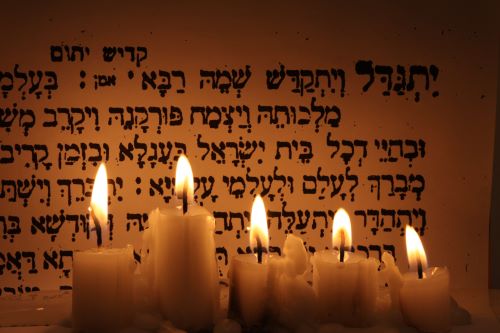
What is the difference between the Ashkenazi Mourners’ Kaddish and a Sefardi Mourner's Kaddish?
The main difference in the wording of the Sefardi Mourners’ Kaddish is the addition of the words “Life, satiation, deliverance, comfort, rescue, healing, redemption, forgiveness, atonement, rest and salvation.”
Which tradition is the most appropriate to pray in?
It is important to remember what is written (Proverbs 1:8) “and do not forsake your mother’s teaching.”
There is a commandment that every Jew should behave according to the custom of his ancestors.
The wording of the Kaddish has ancient foundations and it is important to preserve the tradition.
What is the difference between Ashkenaz Kaddish and Ashkenazi Kaddish?
For your convenience, we have included on the site the Kaddish prayer in Ashkenazi and Sephardi versions.
It should be noted that the Ashkenazi version on this site is a Hasidic-Ashkenazi Kaddish (sometimes referred to as Sefard).
The ‘Ashkenaz’ Kaddish is mainly used by the Lithuanian Ashkenazi public, and its characteristic is that they skip the words “ויצמח פרקנה, ויקרב משיחה””and grow his salvation, and hasten his Messiah.”
The meaning of these words is that we beseech Hashem to bring Moshiach and salvation comes in redemption, the Hasidic Ashkenazi public and the Sefardim are very careful to say this addition, and in the Lithuanian Ashkenazi public this addition does not exist.
As we said above it is important that each community be careful to follow its tradition and ancestral custom.